Journal · Ways of working · 5 min
Why some of our sessions happen on the seafront
Walk-and-talk therapy, side by side instead of face to face. Who it suits, what happens about privacy, and what we do when it rains.
By Jonah Pell ·
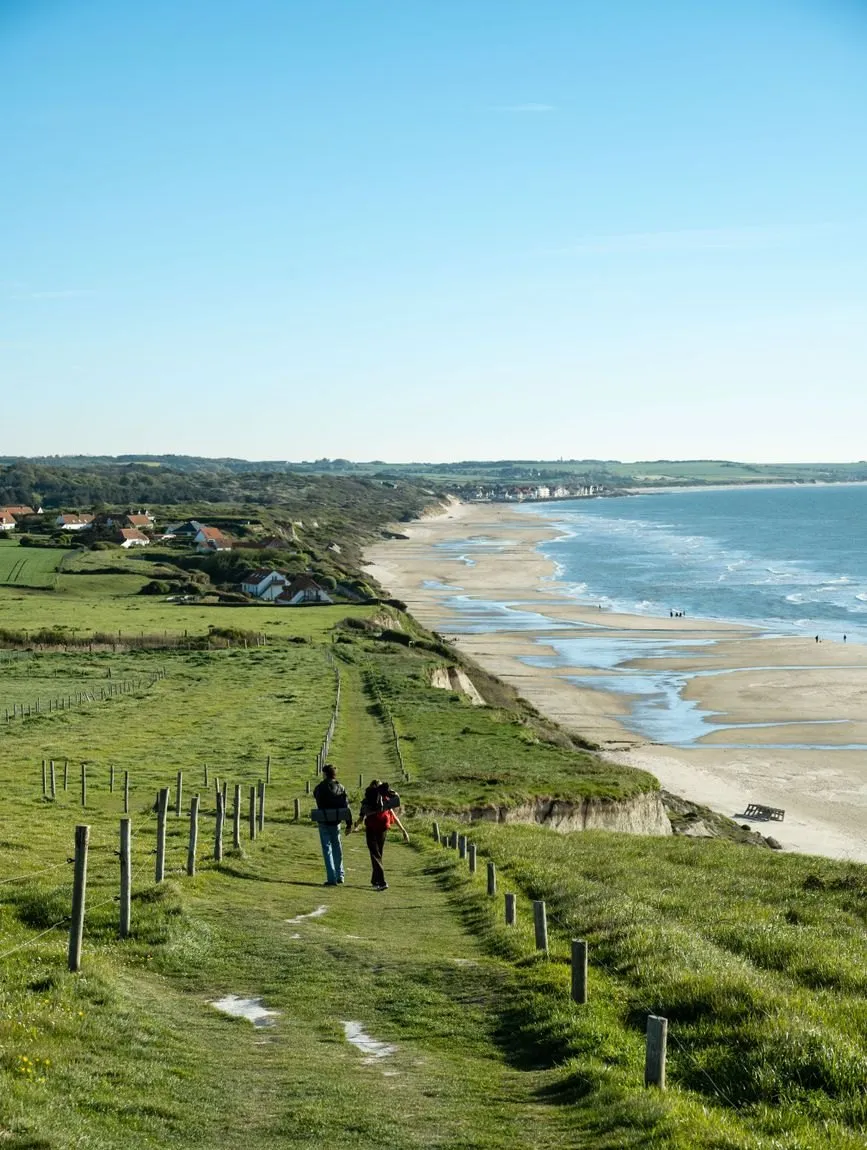
Every Saturday morning, and on some weekday evenings in summer, a few of our sessions leave the building. We walk — along the seafront towards the marina, or up on the Downs when the weather allows.
Why walk at all?
Sitting opposite someone and being looked at while you talk is intense. For some people that intensity is part of what helps. For others it is the thing that stops them talking at all.
Side by side, looking at the same horizon, a lot of people find the words come more easily. Moving helps, too: it gives restless energy somewhere to go, and there is decent evidence that time outdoors lifts mood on its own.
What about privacy?
It is a fair question. We choose routes that are quiet at the times we walk, and we agree beforehand what to do if we meet someone you know — usually a nod, a change of subject, and carrying on. In three years nobody has asked to stop for that reason.
We do not take notes on the walk. Anything that needs writing down, we write afterwards.
And when it rains?
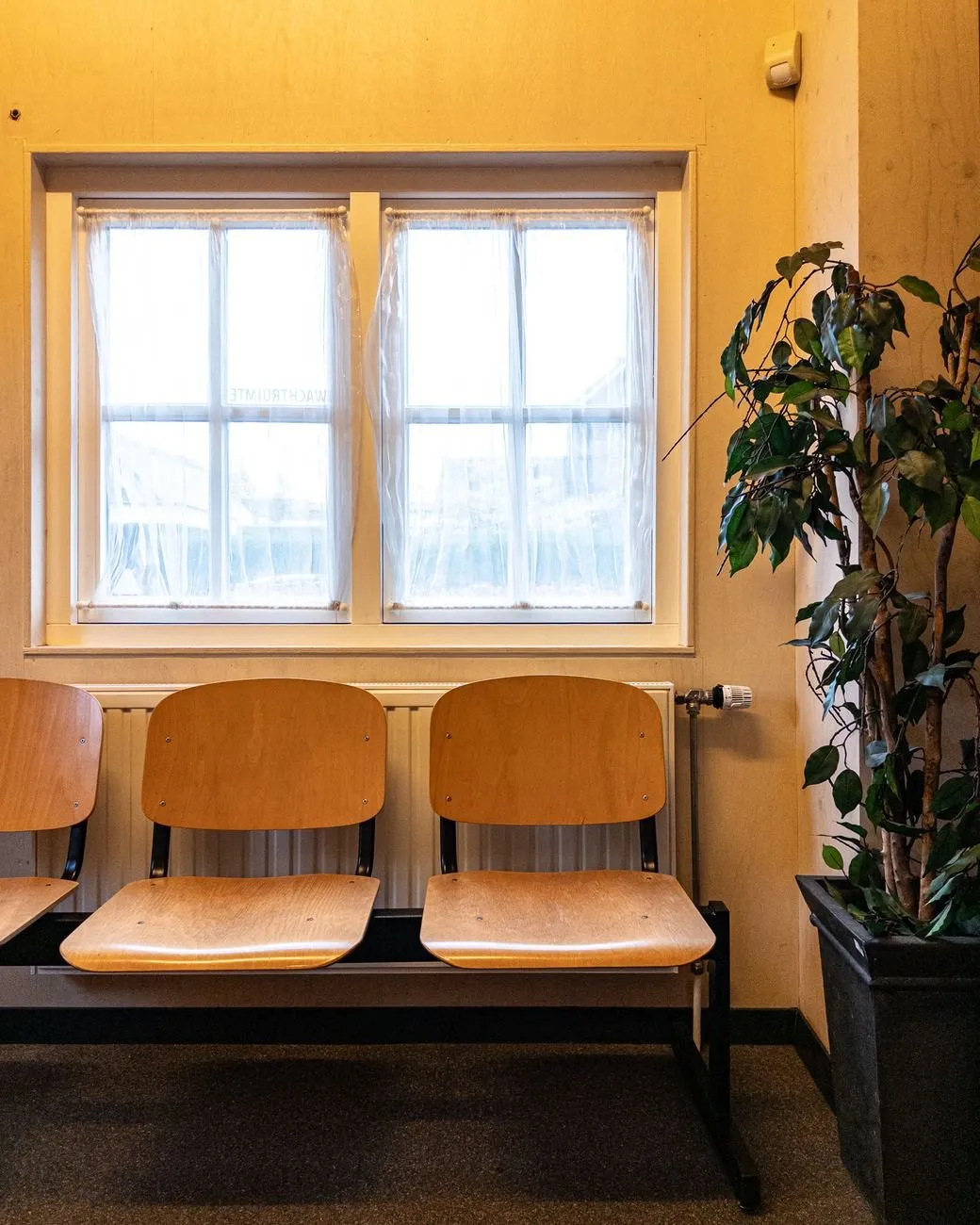
We go anyway if you want to, in waterproofs. If you would rather not, we meet in the smaller room with the big window instead, at no extra cost. You can switch formats whenever you like.
Who it suits
Walk-and-talk tends to suit people who have never had therapy before, people who find eye contact hard, and anyone who sits at a screen all week. It is less suited to the first stages of trauma work, where a steady, private room matters more.
Sessions are an hour and cost £75, or from £30 on a sliding-scale place. Read about Jonah, who leads them.